
 Find Ge Monogram Repair Expert Near You
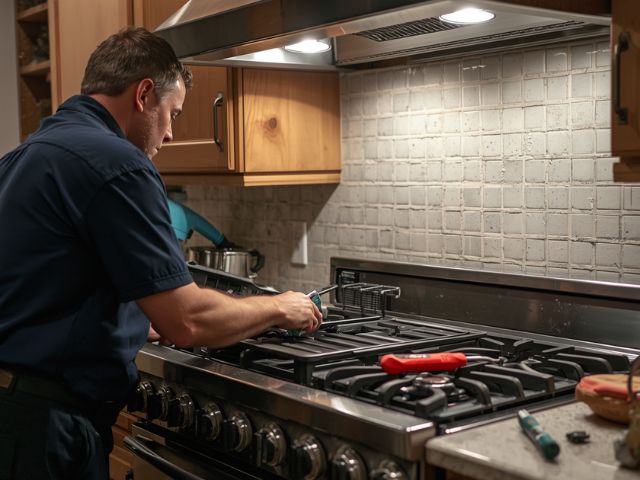
When summer temperatures rise, most homeowners expect higher energy bills and warmer indoor air—but few anticipate how heat can affect kitchen appliances. If your GE Profile range suddenly struggles to heat properly during the hottest months, the issue may not be a malfunction in the traditional sense. Instead, the environment around your appliance could be working against it.
Understanding how summer heat impacts your range is key to restoring its performance and preventing long-term damage. From fluctuating internal temperatures to electrical inconsistencies, several factors come into play when your appliance stops working as expected.
How Summer Heat Interferes With Range Performance
High ambient temperatures can significantly influence how your GE Profile range operates. Appliances are designed to function within a certain temperature range, and when the surrounding environment exceeds that threshold, performance can drop.
Excessive heat can cause internal components to overwork, especially when your kitchen lacks proper ventilation. Sensors may misread temperatures, leading to uneven cooking or a failure to reach the desired heat level. In some cases, the appliance may even shut down temporarily to prevent overheating.
Humidity also plays a role. Moist air can affect electrical components, causing inconsistent signals between the thermostat and heating elements. This results in delayed heating or a complete lack of heat output.
Warning Signs Your Range Is Affected by Heat
It’s not always obvious that summer conditions are behind your appliance issues. However, there are several telltale signs that point to heat-related problems:
- Longer preheating times than usual
- Inconsistent oven temperatures
- Burners failing to reach full heat
- Sudden shutdowns during cooking
- Control panel glitches or delayed responses
If these issues appear primarily during warmer months, there’s a strong chance that environmental factors are contributing to the problem.
The Role of Ventilation in Appliance Efficiency
A poorly ventilated kitchen can trap heat, making it difficult for your GE Profile range to function properly. Without proper airflow, heat accumulates around the appliance, forcing it to work harder to maintain internal temperatures.
Range hoods, exhaust fans, and even open windows can make a noticeable difference. By improving airflow, you help regulate the temperature around your appliance, reducing strain on its components.
Simple changes like using your range during cooler parts of the day or keeping nearby heat-generating appliances turned off can also help maintain optimal performance.
Electrical Components Under Summer Stress
Electrical systems are particularly sensitive to heat. As temperatures rise, resistance within electrical circuits increases, which can lead to reduced efficiency or intermittent failures.
In a GE Profile range, components such as the thermostat, control board, and wiring can all be affected. When these parts overheat, they may send incorrect signals or fail to operate altogether.
Power fluctuations, which are more common during peak summer usage, can further exacerbate the issue. This combination of heat and electrical instability often results in a range that won’t heat properly or behaves unpredictably.
Why Temperature Sensors Matter More in Hot Weather
Temperature sensors are essential for regulating your oven’s heat. During summer, these sensors can become less accurate due to external heat interference.
When a sensor misreads the internal temperature, it may signal the heating element to shut off prematurely or fail to turn on at all. This creates uneven cooking conditions and can leave food undercooked or overcooked.
Regular calibration and maintenance of these sensors can help ensure consistent performance, even during extreme weather conditions.
Preventative Maintenance for Hot Seasons
Keeping your GE Profile range in top condition during summer requires a proactive approach. Routine maintenance not only improves performance but also extends the lifespan of your appliance.
Start by cleaning the interior and exterior thoroughly. Built-up grease and debris can trap heat, making it harder for the appliance to cool down. Pay special attention to vents and fans, ensuring they are free from obstructions.
Inspect door seals as well. A worn or damaged gasket allows heat to escape, forcing the oven to work harder to maintain temperature. Replacing faulty seals can make a significant difference in efficiency.
Smart Cooking Habits During Summer
Adjusting how and when you use your range can help minimize heat-related issues. Consider cooking during early mornings or late evenings when ambient temperatures are lower.
Using smaller appliances like microwaves or air fryers for certain meals can also reduce the strain on your range. When using the oven, avoid opening the door frequently, as this allows heat to escape and forces the appliance to compensate.
Batch cooking is another effective strategy. Preparing multiple dishes at once reduces the number of times your range needs to heat up, conserving energy and minimizing wear.
When Professional Help Becomes Necessary
While some heat-related issues can be managed with simple adjustments, others require professional attention. Persistent problems such as complete heating failure, electrical malfunctions, or repeated shutdowns should not be ignored.
Seeking expert assistance ensures that underlying issues are properly diagnosed and resolved. A trained technician can identify whether the problem lies in the heating elements, sensors, or electrical system.
For reliable service, consider reaching out to GE Monogram Repair Expert for accurate diagnostics and effective solutions tailored to your appliance.
Upgrading Components for Better Heat Resistance
In some cases, upgrading certain components can improve your range’s performance in hot climates. Modern parts are often designed with better heat resistance and improved efficiency.
For instance, replacing outdated sensors or control boards with newer versions can enhance accuracy and reliability. Improved insulation materials can also help maintain consistent internal temperatures despite external heat.
These upgrades not only address current issues but also prepare your appliance for future seasonal challenges.
Related Maintenance Insights You Shouldn’t Miss
If you’re looking to further enhance your GE appliance experience, exploring related maintenance topics can be incredibly beneficial. One helpful resource is
GE Profile Cooktop Replacement Knobs: Your Ultimate Guide, which offers practical advice on maintaining and upgrading essential components.
Keeping every part of your appliance in good condition contributes to overall efficiency and performance, especially during demanding seasons like summer.
The Long-Term Impact of Ignoring Heat Issues
Overlooking heat-related problems can lead to more serious complications over time. Continuous strain on your GE Profile range can cause permanent damage to internal components, resulting in costly repairs or even replacement.
Electrical issues may worsen, increasing the risk of short circuits or safety hazards. Additionally, inefficient performance leads to higher energy consumption, driving up utility costs.
Addressing problems early not only saves money but also ensures your appliance remains safe and reliable.
Creating a Cooler, More Efficient Kitchen Environment
Transforming your kitchen into a cooler space can significantly improve appliance performance. Start by minimizing heat sources—turn off unused appliances and switch to energy-efficient lighting.
Installing heat-resistant window coverings can reduce the amount of sunlight entering your kitchen, keeping temperatures more manageable. Adding a small fan or improving air circulation can also make a noticeable difference.
These changes create a more comfortable cooking environment while supporting the efficiency of your GE Profile range.
Final Thoughts: Stay Ahead of Summer Appliance Challenges
A GE Profile range that isn’t heating properly during summer isn’t always a sign of failure—it’s often a response to environmental stress. By understanding how heat affects your appliance and taking proactive steps to address these challenges, you can maintain consistent performance all season long.
From improving ventilation to adopting smarter cooking habits and scheduling timely maintenance, small changes can have a big impact. And when issues persist, professional support ensures your appliance gets the care it needs.
Keeping your kitchen cool and your range functioning efficiently doesn’t have to be complicated. With the right approach, you can enjoy reliable cooking performance no matter how high the temperature climbs.