
 Find Ge Monogram Repair Expert Near You
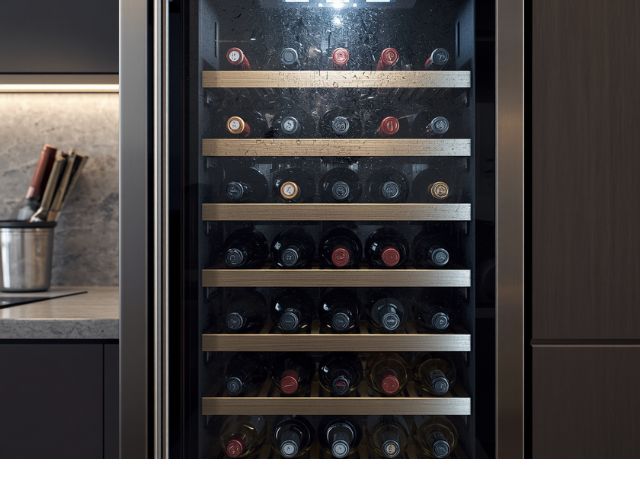
Los Angeles summers are no joke. With soaring temperatures, dry heat, and long sunny days, even the most premium appliances can struggle to keep up. For wine enthusiasts, this becomes especially concerning when a high-end unit like a GE Monogram Wine Coolers starts to falter.
Wine storage isn’t just about convenience—it’s about preservation, taste, and investment. When your cooler fails during peak heat, it can lead to spoiled bottles, inconsistent flavors, and costly losses. Understanding why these failures happen—and how to prevent them—can make all the difference.
When Heat Becomes the Enemy of Precision Cooling
Wine coolers are designed to maintain stable, controlled environments. However, extreme external heat puts pressure on internal systems, forcing them to work harder than intended.
During hot Los Angeles days, ambient temperatures often exceed what standard wine coolers are optimized to handle. This leads to:
- Overworked compressors
- Reduced cooling efficiency
- Fluctuating internal temperatures
When your cooler is constantly battling external heat, it’s no longer operating under ideal conditions. Instead, it’s in survival mode—struggling to maintain even a baseline level of cooling.
The Hidden Strain on Compressors and Condensers
At the heart of every wine cooler lies the compressor and condenser system. These components regulate temperature by cycling refrigerant and dissipating heat.
In extreme heat:
- Compressors run longer cycles without rest
- Condenser coils struggle to release heat effectively
- Internal pressure within the system increases
Over time, this strain can lead to premature wear or even total failure. If you notice your wine cooler running constantly or becoming unusually noisy, it’s often a sign that heat stress is taking its toll.
Poor Ventilation: A Silent Contributor to Breakdown
One of the most overlooked causes of wine cooler failure is poor ventilation. Built-in or tightly enclosed units are especially vulnerable.
Without proper airflow:
- Heat gets trapped around the appliance
- Cooling systems lose efficiency
- Internal temperatures rise despite constant operation
This issue becomes significantly worse during hot weather, as the surrounding air is already warm. Even a high-end cooler can’t function properly if it can’t breathe.
To avoid this, ensure:
- Adequate clearance around the unit
- Clean, unobstructed vents
- No heat-producing appliances nearby
Temperature Fluctuations That Ruin Wine Quality
Wine is highly sensitive to temperature changes. Even minor fluctuations can alter its taste, aroma, and aging process.
When a wine cooler struggles in the heat, you may experience:
- Inconsistent cooling cycles
- Sudden temperature spikes
- Uneven cooling between shelves
These fluctuations can cause wine to expand and contract, potentially damaging the cork and allowing air to seep in. Once that happens, oxidation begins—and the wine’s quality deteriorates rapidly.
Electrical Stress and Component Failure
High temperatures don’t just affect cooling—they also impact electrical components.
During hot days:
- Wiring can overheat
- Control boards may malfunction
- Sensors can give inaccurate readings
This can lead to erratic behavior, such as incorrect temperature displays or failure to maintain settings. In some cases, the unit may shut down entirely as a safety precaution.
Dust, Debris, and Summer Air Quality Issues
Los Angeles summers often bring dry, dusty conditions. That dust doesn’t just stay outside—it finds its way into your appliances.
Inside your wine cooler, dust can:
- Clog condenser coils
- Block airflow
- Reduce overall efficiency
A dirty system has to work harder, which compounds the stress already caused by heat. Regular cleaning becomes even more critical during the summer months.
Warning Signs Your Wine Cooler Is Struggling
Catching problems early can save both your appliance and your wine collection. Keep an eye out for these warning signs:
- The cooler runs constantly without reaching set temperature
- Bottles feel warmer than usual
- Unusual noises like buzzing or clicking
- Temperature display fluctuates frequently
- Exterior of the unit feels excessively hot
These indicators suggest that your cooler is under stress and may soon fail if not addressed.
Smart Ways to Protect Your Wine Cooler During Heatwaves
Preventive action is always better than costly repairs. Here are practical steps to keep your wine cooler performing at its best:
Improve Airflow Around the Unit
Ensure there’s enough space for proper ventilation. Avoid enclosing the cooler in tight cabinetry without airflow provisions.
Clean the Condenser Coils Regularly
Dust buildup is a major efficiency killer. Gently clean coils every few months, especially during summer.
Keep the Cooler Away from Heat Sources
Avoid placing it near ovens, dishwashers, or direct sunlight. Even small heat sources can have a big impact.
Monitor Room Temperature
If possible, keep the room air-conditioned. A cooler environment reduces the strain on your appliance.
Avoid Overloading the Cooler
Too many bottles can restrict airflow inside, making it harder to maintain consistent temperatures.
When Professional Help Becomes Necessary
Sometimes, maintenance isn’t enough. If your wine cooler continues to struggle despite your efforts, it may require expert attention.
A professional technician can:
- Diagnose compressor or refrigerant issues
- Repair or replace faulty components
- Optimize the unit for high-temperature environments
For reliable service, consider reaching out to GE Monogram Repair Expert to ensure your appliance is restored to peak performance.
How Preventive Maintenance Saves Your Wine Collection
Think of your wine cooler as an investment protector. Regular maintenance doesn’t just extend the life of the appliance—it safeguards everything inside it.
Routine servicing can:
- Improve energy efficiency
- Prevent sudden breakdowns
- Maintain consistent temperature control
By staying proactive, you reduce the risk of losing valuable or sentimental bottles during extreme heat.
A Related Read for Better Appliance Control
If you’re interested in improving your overall appliance knowledge, especially when it comes to control systems and troubleshooting, check out this helpful guide:
Mastering GE Profile Dishwasher Lock Controls
It offers practical insights that can enhance your understanding of modern appliance features and maintenance.
Long-Term Solutions for Hot Climate Living
If you live in a consistently warm area like Los Angeles, consider long-term strategies to protect your appliances:
- Upgrade to models designed for higher ambient temperatures
- Install dedicated cooling or ventilation systems
- Schedule seasonal maintenance checks before summer begins
These steps can significantly reduce stress on your wine cooler and improve its reliability year-round.
Final Thoughts: Stay Cool, Protect Your Investment
Hot Los Angeles days can push even the most advanced wine coolers to their limits. But understanding the causes of failure—from heat stress to poor ventilation—empowers you to take control.
With proper care, smart placement, and timely maintenance, your GE Monogram wine cooler can continue to preserve your collection perfectly, no matter how high the temperature climbs.
Protecting your wine isn’t just about storage—it’s about preserving moments, memories, and craftsmanship in every bottle.