
 Find Ge Monogram Repair Expert Near You
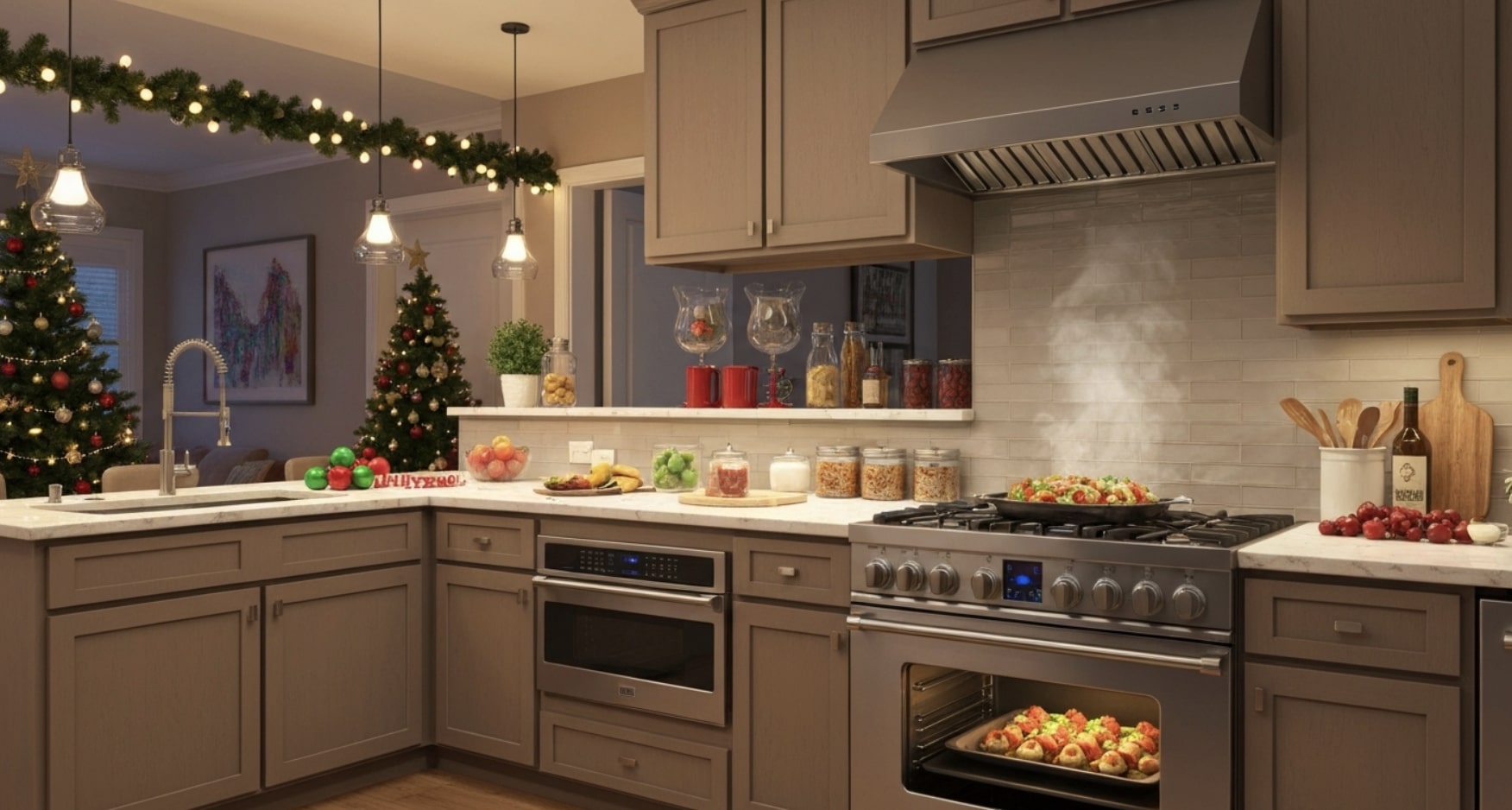
The holidays are just around the corner, and your kitchen is about to become the heart of the celebration. Your GE Monogram oven is the star player, responsible for everything from the golden-brown turkey to decadent desserts. But what if it’s not ready for the spotlight? An unexpected oven failure can turn a festive gathering into a stressful ordeal. Before the rush begins, it’s crucial to check your appliance for subtle signs of trouble. Here are the key GE Monogram oven wear signs to watch for before the holiday rush begins.
Recognizing Common Wear Signs in Your GE Monogram Oven
Paying attention to how your oven performs now can make all the difference. From changes in cooking results to new sounds, these clues indicate that your oven might need professional appliance repair. Let’s explore the specific signs of wear you should be looking for.
1. Inconsistent or Uneven Cooking Results
If dishes that used to cook perfectly are now overdone on one side or undercooked in the center, it’s often an early warning sign.
What it may indicate:
- Aging heating elements
- Convection fan wear
- Temperature sensor issues
Holiday cooking relies on precision—uneven performance can quickly ruin meals.
2. Longer Preheat Times Than Normal
GE Monogram ovens are designed to heat efficiently. If preheating suddenly takes much longer, something may be wearing down.
Possible causes:
- Weak bake or broil elements
- Electrical wear
- Sensor calibration drift
This often goes unnoticed until the oven is used frequently—exactly what happens during the holidays.
3. Door Not Sealing Properly
A tight oven seal is essential for temperature control.
Signs of door seal wear:
- Heat escaping around the edges
- Oven exterior feeling unusually hot
- Food taking longer to cook
Worn gaskets reduce efficiency and strain internal components during extended holiday use.
4. Unusual Noises During Operation
While some fan noise is normal, new or louder sounds shouldn’t be ignored.
Watch for:
- Rattling
- Buzzing
- Grinding or clicking
These noises may point to fan motor wear or internal component loosening—issues that worsen under heavy use.
5. Error Codes or Flickering Display
Your GE Monogram oven is highly electronic, and display issues are a clear signal something needs attention.
Red flags include:
- Intermittent error codes
- Flickering or dim display
- Controls responding slowly
Holiday cooking often requires precise timing—unreliable controls can derail your schedule.
6. Burning Smells or Excessive Smoke
A clean oven should not produce strong odors.
Possible causes:
- Grease buildup near heating elements
- Worn insulation
- Electrical component stress
Before holiday cooking begins, unusual smells should always be investigated.
7. Oven Not Holding Set Temperature
If you find yourself constantly adjusting temperatures, your oven may not be maintaining heat properly.
This could indicate:
- Failing thermostat
- Sensor misalignment
- Control board wear
Temperature instability becomes especially problematic when cooking multiple dishes at once.
Why Checking These Signs Before the Holidays Matters
The weeks leading up to the holidays are the perfect time to give your GE Monogram oven a check-up. Discovering signs of wear now gives you ample time to schedule an appliance repair without the stress of a last-minute emergency. Imagine your oven shutting down unexpectedly in the middle of cooking your holiday roast. This scenario is entirely avoidable with a bit of proactive attention. A simple check today can ensure your festive plans go off without a hitch.
Waiting until a small problem becomes a major failure can leave you scrambling for a solution when technicians are at their busiest. An oven that’s not heating properly or has a faulty door seal won’t just ruin a meal; it will add unnecessary stress to what should be a joyful time. Taking a moment to test your oven and look for these warning signs of damage is a small investment that protects your holiday feast and your peace of mind.
What You Can Do Now
Taking a few simple steps now can help you identify common problems with your GE Monogram oven and ensure it’s ready for marathon baking sessions. You don’t have to be an expert to perform a basic inspection. Start by running your oven for a short period. Pay attention to preheat times, listen for unusual sounds, and check if the temperature feels consistent.
These preventative maintenance routines can also help minimize wear before heavy holiday usage. By keeping your appliance in good shape, you can extend its life and maintain its performance. Here are a few things you can do to prepare your oven:
- Clean it thoroughly: Remove any food debris or grease buildup that could cause smoke or odors.
- Inspect the door gasket: Check the seal around the oven door for any signs of wear, tears, or damage.
- Limit self-cleaning cycles: Use the high-heat self-clean feature sparingly, as it can put significant strain on oven components. Opt for gentler steam cleaning when possible.
Conclusion
As the holiday season approaches, ensuring that your GE Monogram oven is in top-notch condition becomes essential for a stress-free cooking experience. By recognizing the common GE Monogram oven wear signs to watch for before the holiday—such as inconsistent cooking results and door sealing issues—you can address potential problems before they disrupt your holiday meals. Taking proactive steps now not only saves you time but also guarantees that your oven performs reliably when it matters most. Don’t let appliance issues overshadow your celebrations; be vigilant and check for the signs we’ve outlined. For more insights, feel free to explore our blog post about Break Downs for Monogram Range Repair Costs. Happy cooking, and may your holidays be filled with joy and delicious meals!
Don’t Let Oven Issues Disrupt Your Holidays
If you’ve noticed any of the signs of wear we’ve discussed, don’t let them cast a shadow over your holiday plans. A malfunctioning GE Monogram oven can quickly turn festive preparations into a frantic mess. Whether it’s uneven cooking, long preheat times, or a concerning error code, our team at GE Monogram Repair Expert is here to help. We specialize in providing fast, reliable appliance repair to get your kitchen back in working order.
What should you do if your GE Monogram oven shuts down unexpectedly while cooking for the holidays? Your first call should be to us. Don’t risk further damage or a ruined meal by attempting a complex fix yourself. Our factory-trained technicians can quickly diagnose the problem and provide an effective solution. Contact GE Monogram Repair Expert now to schedule a service and ensure your oven is ready for a flawless holiday season.
Frequently Asked Questions
What steps can I take if the oven shuts down unexpectedly during a holiday meal?
First, check that your home’s circuit breaker hasn’t tripped. If the power is fine, turn the oven off and let it cool completely before trying to restart it. If it shuts down again or won’t turn on, it indicates a more serious issue requiring professional appliance repair to avoid damaging your appliance.
How long do GE Monogram ovens typically last before showing signs of wear?
GE Monogram ovens are built to last 13–15 years with proper care. Frequent holiday use can cause earlier wear, so check regularly for issues like inconsistent temperatures or strange noises. Routine inspections help extend your oven’s lifespan and keep it running smoothly.
Which maintenance routines help minimize wear before heavy usage?
To minimize wear on your GE Monogram oven, regularly clean the interior to prevent buildup, inspect the door seal for tears or damage, and use the high-heat self-clean function sparingly. Addressing these common problems with routine care helps ensure your appliance performs reliably during the busy holiday season.
Are there quick fixes for minor issues right before hosting guests?
For very minor issues like slight uneven baking, you can try rotating your pans midway through cooking. However, for most signs of wear, such as error codes, strange noises, or heating problems, there are no reliable “quick fixes.” Attempting a DIY repair can cause more damage, so professional help is the safest option.