
 Find Ge Monogram Repair Expert Near You
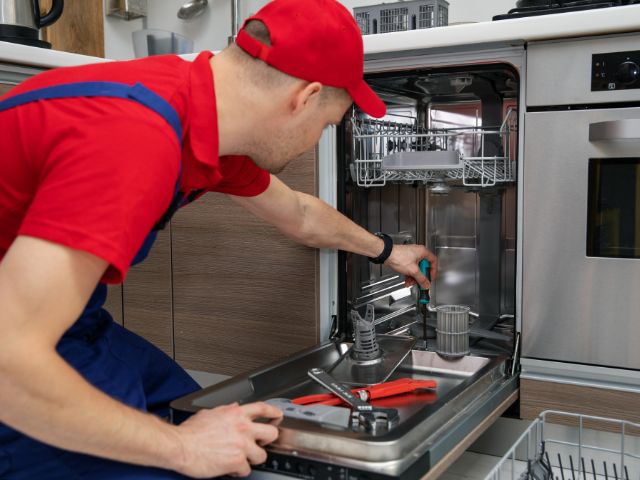
When dishes come out wet, spotted, or still covered in lingering moisture, many homeowners assume their dishwasher is failing. But during Los Angeles heatwaves, the issue may be more environmental than mechanical. Rising indoor temperatures, humidity shifts, and increased appliance strain can all impact how a GE Profile dishwasher dries.
Drying problems can feel minor at first—until every load requires hand-drying, glasses develop cloudy residue, and dishes never seem fully sanitized. Summer heat can quietly affect dishwasher performance in ways many people overlook.
Understanding how hot weather influences your appliance can help prevent unnecessary repairs and keep your kitchen routine running smoothly.
Why Summer Heat Can Disrupt Dishwasher Drying Performance
Dishwashers rely on a delicate balance of water temperature, airflow, condensation, and heating elements to dry dishes effectively. During intense LA heat, that balance can shift.
Extreme temperatures can affect:
- Incoming water temperature stability
- Internal dishwasher cooling cycles
- Condensation-based drying systems
- Venting efficiency
- Moisture evaporation patterns
Some GE Profile dishwashers use advanced condensation drying, which depends on cooler stainless-steel interiors to pull moisture off dishes. When surrounding temperatures stay excessively warm, that cooling effect can weaken.
The result?
- Plastic containers remain soaked
- Glassware comes out streaky
- Dishes feel warm but wet
- Steam lingers inside after cycles finish
What seems like a drying malfunction may actually be a heat-related performance issue.
How Hot Kitchens Put Extra Stress on Dishwashers
Summer often means ovens running more, indoor temperatures climbing, and kitchens becoming heat traps.
When ambient kitchen temperatures rise significantly, dishwashers may struggle to release moisture efficiently.
Common heat-related stress factors include:
Reduced Condensation Drying Effectiveness
Condensation drying works best when interior walls cool faster than dishes.
If your kitchen is already hot:
- Moisture doesn’t condense properly
- Water droplets cling to dishes
- Drying cycles take longer
- Residual humidity remains trapped
Overworked Heating Components
Heating elements may operate harder during heavy summer use, especially in households running multiple loads daily.
That added demand can lead to:
- Inconsistent heat output
- Longer dry cycles
- Element wear over time
Poor Vent Performance
Dishwasher vents help release hot moist air.
During heat surges, airflow can become less efficient, especially if:
- Vent openings are blocked
- Filters are dirty
- Cabinets trap excess heat around the unit
All of this can contribute to dishes staying damp.
Warning Signs Heat May Be Affecting Your Dishwasher
Not every drying issue points to broken parts.
Sometimes summer conditions are the hidden culprit.
Watch for these symptoms:
Dishes Dry Poorly Only During Hot Months
If drying problems appear mainly during heatwaves, seasonal conditions may be influencing performance.
Plastic Items Stay Wet Every Cycle
Plastic doesn’t retain heat like ceramic or glass, making it especially vulnerable when drying efficiency drops.
Steam Pours Out When Opening the Door
Excess steam lingering after completion often suggests trapped moisture.
Drying Results Vary Load to Load
Some cycles may dry fine while others don’t—often tied to ambient temperature fluctuations.
Recognizing these patterns early can prevent bigger issues later.
Loading Habits That Make Heat-Related Drying Problems Worse
Sometimes the problem isn’t the dishwasher—it’s how it’s loaded during already challenging conditions.
Improper loading can trap moisture and worsen summer drying struggles.
Avoid these common mistakes:
Overcrowding the Racks
Packed dishes block airflow and prevent proper drying.
Leave spacing between:
- Plates
- Bowls
- Cups
- Utensils
Better airflow means better drying.
Nesting Plastic Containers
Containers stacked together hold water pools long after the cycle ends.
Separate them whenever possible.
Blocking the Vent Area
Large pans or trays placed near the vent can disrupt moisture release.
Check your dishwasher’s vent location and keep it clear.
Incorrect Dish Placement
Bowls angled upward collect water.
Face curved items downward for drainage.
Small loading changes often make a big difference.
Water Temperature Problems Can Mimic Drying Failures
LA summer doesn’t just affect air temperature—it can impact water performance too.
If incoming water isn’t hot enough, dishes may wash and dry poorly.
For strong drying performance:
- Water entering the dishwasher should typically reach about 120°F
- Run hot kitchen tap water before starting a cycle
- Avoid using hot water elsewhere during dishwasher operation
Low wash temperatures can leave moisture lingering long after the cycle finishes.
Rinse Aid Matters More During Heat Waves
Many homeowners skip rinse aid, assuming it’s optional.
During summer, it can be essential.
Rinse aid helps:
- Water sheet off dishes
- Reduce droplet formation
- Improve evaporation
- Minimize spotting and wet surfaces
If drying performance drops suddenly, checking rinse aid levels is a simple first step.
Many service professionals consider this one of the most overlooked drying fixes.
Hidden Maintenance Issues Summer Heat Can Expose
High temperatures often amplify small problems already developing.
Minor maintenance issues can become noticeable once summer strain kicks in.
Check for these overlooked concerns:
Dirty Filters
Food debris restricts circulation and can affect rinse and drying performance.
Clean filters regularly.
Mineral Buildup
Hard water deposits can interfere with heating and spray efficiency.
Periodic descaling may help.
Worn Heating Components
Older heating elements may still function—but inconsistently.
Summer demand often exposes weakening parts.
Faulty Sensors
Temperature and moisture sensors can affect dry cycle performance.
Erratic results may point toward sensor issues.
If drying issues persist, professional diagnosis may be worth considering.
For deeper GE dishwasher troubleshooting, many homeowners also find useful insights in GE Monogram Dishwasher Leak Detected? Here’s the Fix!, especially when multiple performance issues appear together.
Smart Ways to Improve Dishwasher Drying During LA Heat
Often, simple adjustments restore performance.
Try these practical solutions:
Use Heated Dry or Sanitize Settings
Higher-temperature final rinses often improve drying results.
Use them when appropriate.
Open the Door Slightly After the Cycle
Cracking the door open after completion allows trapped steam to escape.
A surprisingly effective trick.
Run Dishwasher at Cooler Times
Operating during evenings instead of peak afternoon heat may improve results.
Cooler surroundings help condensation drying work better.
Reduce Back-to-Back Loads
Multiple consecutive cycles can overheat components.
Spacing out loads reduces appliance stress.
Improve Kitchen Ventilation
Use:
- Exhaust fans
- Range hoods
- Better airflow circulation
Lower room heat often supports better drying.
When Drying Problems May Signal Something More Serious
Sometimes heat reveals legitimate appliance issues.
Persistent symptoms may indicate:
- Failed heating element
- Malfunctioning thermostat
- Broken vent fan
- Control board issues
- Sensor failure
Warning signs include:
- No noticeable heat in drying cycle
- Dishes always cold and wet
- Cycle ends too early
- Burning smell
- Error codes appearing
At that point, expert service may be necessary.
Many homeowners turn to GE Monogram Repair Expert when advanced GE Profile dishwasher drying issues need professional diagnosis and repair.
Preventing Future Summer Dishwasher Problems
Seasonal appliance care can help avoid recurring issues.
Preventive steps include:
Clean Filters Monthly
Routine filter care supports wash and dry performance.
Inspect Spray Arms
Ensure water flows freely.
Clogs affect both cleaning and drying.
Use Dishwasher-Safe Load Practices
Proper arrangement prevents moisture traps.
Monitor Heat Exposure
If the dishwasher sits near ovens or receives heavy sun exposure, reducing surrounding heat may help.
Schedule Routine Maintenance
Preventive inspections often catch small issues before they worsen.
Like any hardworking appliance, dishwashers perform best when maintained before problems escalate.
Why LA Heat Makes Appliance Care More Important
Southern California summers can be tough on household appliances.
Dishwashers aren’t just battling dirty dishes—they’re battling:
- Higher ambient temperatures
- Utility strain
- Increased daily usage
- Moisture fluctuations
That combination can affect performance in subtle but frustrating ways.
Understanding environmental stress can save time, money, and unnecessary replacements.
Sometimes the issue isn’t a defective dishwasher at all.
It’s summer.
Frequently Asked Questions
Why are my GE Profile dishes wet after every cycle?
Improper loading, low water temperature, missing rinse aid, blocked vents, or summer heat-related condensation issues can all contribute.
Can hot weather really affect dishwasher drying?
Yes. High kitchen temperatures can reduce condensation drying efficiency and make moisture harder to remove.
Does rinse aid help dishes dry better?
Absolutely. It helps water slide off surfaces and improves evaporation.
Should I use Heated Dry all the time?
Using Heated Dry can improve performance, especially during hotter months, though energy use may increase.
When should I call for service?
If drying issues continue despite cleaning, loading adjustments, and setting changes—or you notice error codes or no heat—professional diagnosis may be needed.
Final Thoughts on Summer Heat and Dishwasher Drying Problems
A GE Profile dishwasher not drying properly can be frustrating, but the culprit may be more than just appliance failure. LA heat can influence drying performance in surprising ways, from weakened condensation drying to ventilation struggles and hidden component stress.
The good news?
Many issues improve with smarter loading, maintenance, cooling strategies, and early troubleshooting.
Pay attention to seasonal patterns, make a few practical adjustments, and your dishwasher may return to the dry, spotless results you expect.
Because sometimes the problem isn’t your dishwasher at all—
It’s the heat.