
 Find Ge Monogram Repair Expert Near You
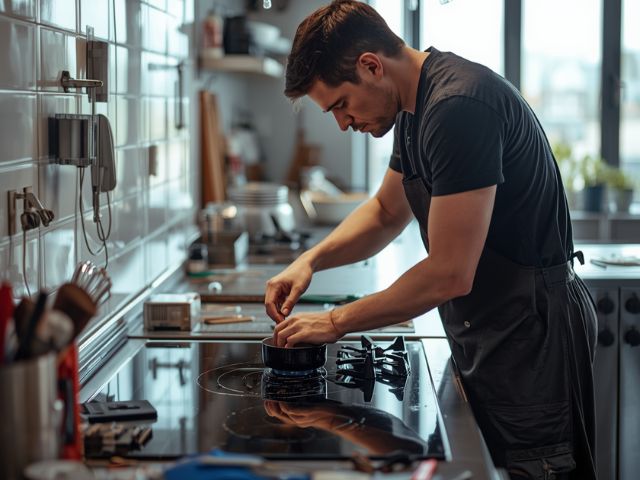
When temperatures rise, your kitchen appliances work harder than usual—especially your cooktop. A GE Profile cooktop is designed for reliability, but hot weather can expose hidden issues or create new ones that affect performance, safety, and efficiency. From overheating burners to unresponsive controls, summer conditions can amplify problems that might otherwise go unnoticed.
Understanding how to diagnose these issues empowers homeowners to act quickly, prevent costly repairs, and maintain a safe cooking environment. With the right approach, you can pinpoint the cause of your cooktop troubles and decide whether it’s a simple fix or time to call in a professional.
Why Hot Weather Affects Cooktop Performance
High ambient temperatures can disrupt the delicate balance your cooktop relies on to function properly. Internal components, such as sensors, wiring, and electronic controls, are sensitive to heat. When the surrounding environment becomes too warm, these parts may struggle to regulate temperature accurately.
Ventilation also plays a significant role. During summer, kitchens often retain more heat, especially if airflow is limited. This buildup can cause your cooktop to overheat or shut down unexpectedly as a protective measure. Additionally, humidity can interfere with electrical systems, leading to erratic behavior or delayed responses.
Recognizing these environmental factors is the first step in diagnosing the root cause of your cooktop issues.
Signs Your GE Profile Cooktop Is Struggling
Cooktop problems don’t always present themselves dramatically. Often, the warning signs are subtle at first but worsen over time. Being aware of these symptoms can help you act before a minor inconvenience becomes a major repair.
One common issue is uneven heating. Burners may take longer to reach the desired temperature or fail to maintain consistent heat levels. This inconsistency can make cooking frustrating and unpredictable.
Another sign is unresponsive controls. Touch panels or knobs may lag or stop working entirely, especially during the hottest parts of the day. In some cases, the cooktop may shut off unexpectedly or display error codes.
You might also notice unusual noises, such as clicking or buzzing, or detect a burning smell. These can indicate overheating components or electrical stress caused by excessive heat.
Checking for Overheating Components
Overheating is one of the most common problems during hot weather. To diagnose this, start by observing how your cooktop behaves after extended use. If it shuts down suddenly or becomes too hot to touch, it may be activating its safety features.
Inspect the surface and surrounding area. Ensure there is enough space around the cooktop for proper airflow. Blocked vents or cluttered countertops can trap heat and worsen the issue.
It’s also helpful to check if the problem occurs only during peak heat hours. If your cooktop works fine in the morning but struggles in the afternoon, ambient temperature is likely a contributing factor.
Evaluating Electrical Connections
Heat and humidity can impact electrical connections, leading to intermittent issues. Loose or damaged wiring may cause burners to flicker, fail to ignite, or operate inconsistently.
Turn off the power supply before inspecting any connections. Look for signs of wear, corrosion, or loose fittings. Even minor damage can disrupt the flow of electricity and affect performance.
If you’re not comfortable handling electrical components, it’s best to seek professional assistance. Electrical issues can escalate quickly and pose safety risks if not addressed properly.
Testing Burner Functionality
Burners are at the heart of your cooktop’s performance. When diagnosing problems, test each burner individually to determine if the issue is isolated or widespread.
For gas cooktops, check if the flame is steady and blue. A weak or uneven flame may indicate a clogged burner or insufficient gas flow. Cleaning the burner ports can often resolve this issue.
For electric or induction models, observe how quickly the burner heats up and whether it maintains a consistent temperature. Slow heating or sudden drops in heat may point to faulty elements or sensors.
Identifying Sensor and Control Panel Issues
Modern GE Profile cooktops rely on advanced sensors and electronic controls to regulate temperature and ensure safety. In hot weather, these components can become less reliable.
If your cooktop displays error codes or behaves unpredictably, the sensors may be misreading temperature data. This can cause the unit to shut off prematurely or fail to heat properly.
Touch controls may also become less responsive due to heat or moisture. Wiping the surface clean and ensuring it’s dry can sometimes restore functionality. However, persistent issues may require recalibration or replacement of the control panel.
The Role of Proper Ventilation
Ventilation is often overlooked but plays a critical role in cooktop performance. Without adequate airflow, heat accumulates quickly, stressing internal components.
Make sure your kitchen is well-ventilated, especially during summer. Use range hoods, exhaust fans, or open windows to improve air circulation. Keeping the area cool helps your cooktop operate within its optimal temperature range.
Rearranging nearby appliances or removing obstructions can also enhance airflow and reduce heat buildup.
Preventive Maintenance Tips for Summer
Regular maintenance is key to avoiding cooktop problems during hot weather. Simple habits can go a long way in preserving performance and extending the lifespan of your appliance.
Clean your cooktop regularly to prevent buildup that can trap heat or block burners. Check vents and ensure they remain unobstructed. Avoid overloading the cooktop with large pots that generate excessive heat.
It’s also wise to schedule periodic inspections, especially before the peak summer months. Catching potential issues early can save time, money, and frustration.
When to Call a Professional
While some issues can be resolved with basic troubleshooting, others require expert attention. If your cooktop continues to malfunction despite your efforts, it’s time to consult a professional.
Persistent overheating, frequent shutdowns, or electrical problems should not be ignored. These issues can compromise safety and lead to more extensive damage if left unaddressed.
For reliable service and expert diagnosis, consider reaching out to GE Monogram Repair Expert. Their specialized knowledge ensures your cooktop is restored to optimal condition quickly and efficiently.
Enhancing Your Appliance Knowledge
Understanding your cooktop is part of maintaining a functional kitchen. Expanding your knowledge of related appliances can also be beneficial. For instance, proper oven maintenance complements cooktop performance and ensures overall efficiency.
If you’re looking to improve your appliance care routine, check out this helpful guide:
Easy GE Profile Oven Self-Clean Instructions for a Spotless Finish
This resource provides practical tips to keep your oven in top shape, making your entire cooking experience smoother and more enjoyable.
Smart Cooking Habits During Hot Weather
Adapting your cooking habits can reduce strain on your cooktop during summer. Try cooking during cooler parts of the day, such as early morning or late evening, to minimize heat exposure.
Use lids on pots to retain heat and reduce cooking time. Opt for smaller appliances like microwaves or slow cookers when possible to lessen the load on your cooktop.
These small adjustments can make a significant difference in maintaining performance and preventing overheating issues.
Long-Term Solutions for Reliable Performance
If you frequently experience cooktop problems during hot weather, it may be worth considering long-term solutions. Upgrading your kitchen ventilation system or installing additional cooling measures can create a more stable environment for your appliances.
Regular professional maintenance can also help identify and address underlying issues before they escalate. Investing in quality care ensures your cooktop remains dependable, regardless of seasonal changes.
Frequently Asked Questions
- Why does my cooktop stop working in hot weather?
High temperatures can cause overheating, triggering safety shutoffs or affecting electronic components. - How can I prevent my cooktop from overheating?
Ensure proper ventilation, avoid prolonged use during peak heat, and keep the cooktop clean and unobstructed. - Are cooktop issues in summer common?
Yes, many appliances experience performance changes due to increased ambient temperature and humidity. - Can I fix cooktop problems myself?
Basic troubleshooting is possible, but electrical or persistent issues should be handled by professionals. - How often should I maintain my cooktop?
Regular cleaning and seasonal inspections are recommended to keep it functioning efficiently.
Final Thoughts: Stay Cool and Cook Confidently
Hot weather doesn’t have to disrupt your cooking routine. By understanding how temperature and environment affect your GE Profile cooktop, you can quickly diagnose issues and take the right steps to resolve them. From improving ventilation to recognizing early warning signs, a proactive approach makes all the difference.
Keeping your cooktop in peak condition ensures not only better performance but also a safer and more enjoyable kitchen experience. With the right knowledge and support, you can tackle summer challenges head-on and continue creating delicious meals without interruption.