
 Find Ge Monogram Repair Expert Near You
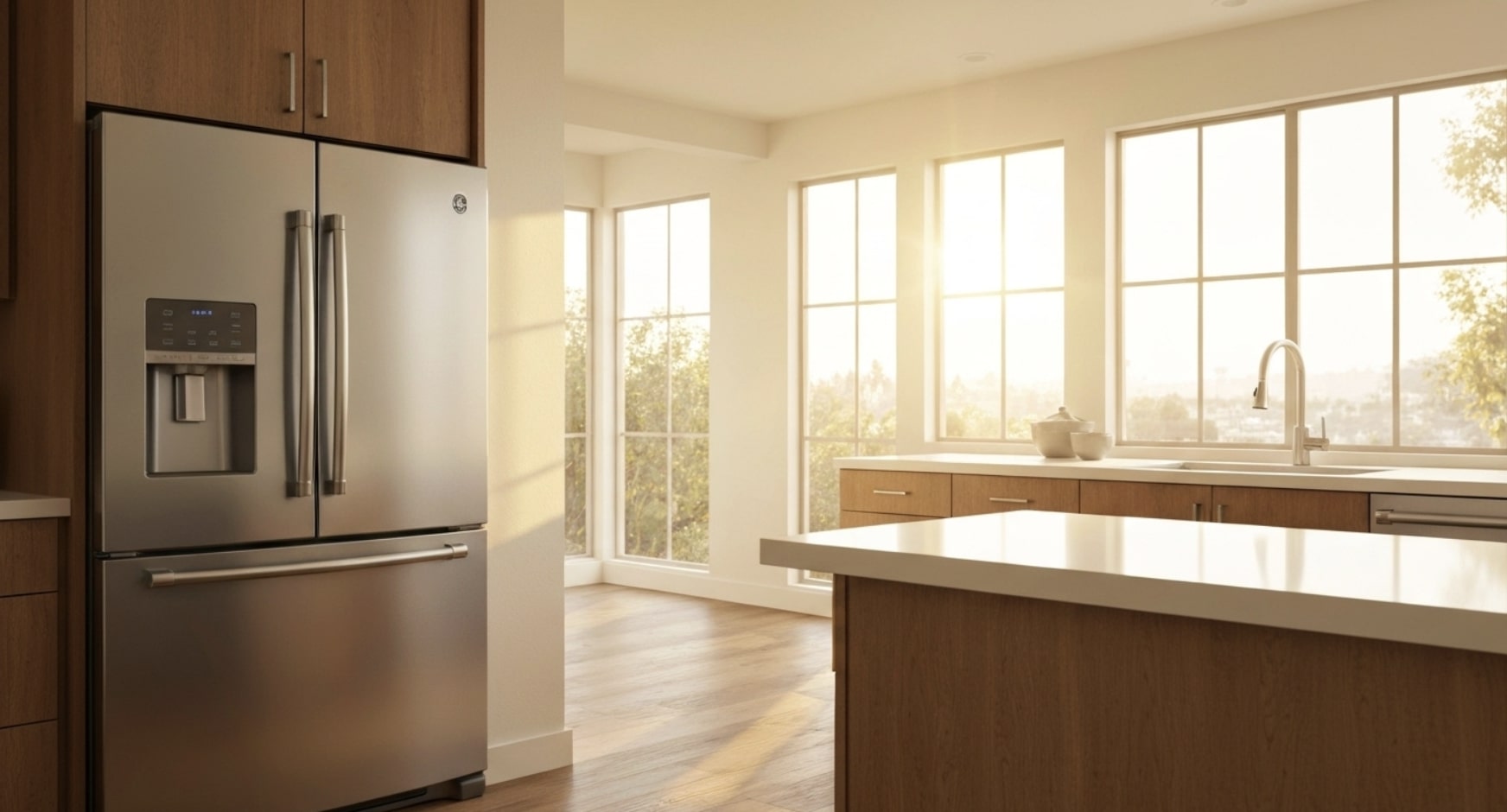
Living in Los Angeles, you depend on your GE Profile refrigerator to keep food fresh, especially during the city’s intense summer heat. These appliances are built for reliability, but ongoing high temperatures can put a serious strain on their cooling capabilities. If you’ve noticed your refrigerator not maintaining the right temperature, or struggling to keep up with your cooling demands, you’re not alone. This informative guide breaks down common GE Profile refrigerator cooling issues and why it might be failing in the heat and how you can restore its cooling performance.
Unique Challenges Facing GE Profile Refrigerators in Los Angeles Heat
When temperatures soar outside, the refrigerator compartment inside your GE Profile refrigerator battles to hold its cool. In Los Angeles, where summer days routinely reach the 90s or above, high ambient heat seeps into homes and appliances. This means your refrigerator’s compressor and condenser coils must work double time, often resulting in less effective cooling and higher energy use.
Experts agree that cooling issues appear more often in cities like Los Angeles, where heat consistently challenges appliances. According to the FDA, keeping your refrigerator at 40°F or lower is necessary for food safety, but excessive outdoor heat can cause internal temperature fluctuations. If the cooling system can’t compensate, food spoilage and operational stress follow.
Are cooling issues more common in Los Angeles compared to other cities? Absolutely. The local climate, especially combined with heatwaves, makes the GE Profile refrigerator’s cooling system vulnerable to failure or reduced efficiency. Keeping the appliance away from direct sunlight and heat sources can help, but the challenge is ongoing during hot months.
Humidity and Its Effect on Refrigerator Performance
Humidity often gets overlooked, yet it can impact your GE Profile refrigerator’s performance as much as temperature. In humid Los Angeles summers, moisture enters the appliance each time the refrigerator door opens. This increases the internal workload, making it tougher for the cooling system to maintain the desired refrigerator temperature.
The appliance’s seals and insulation must fight off not just heat but also the infiltration of moist air, which can condense and freeze on internal coils. Over time, this can result in iced evaporator coils and inefficient cooling. If you notice condensation or frequent puddles inside the compartment, your fridge is likely battling excess humidity.
Are cooling issues more common in Los Angeles compared to other cities? Yes—the combination of heat and humidity can increase the risk of cooling problems for GE Profile refrigerators, leading to more frequent breakdowns and maintenance needs than in drier or cooler environments.
Most Common Causes of GE Profile Refrigerators Not Cooling
What are the most common reasons a GE Profile refrigerator isn’t cooling properly, and how can I troubleshoot them? You’ll want to rule out blocked vents, worn seals, and dirty coils before investigating deeper mechanical faults.
Blocked or Dirty Condenser Coils
Condenser coils play a critical role in the cooling process of your GE refrigerator compartment. Located at the back or bottom of your appliance, these coils help release hot air, allowing the system to maintain a proper cooling cycle. Dust and debris accumulation can interfere, causing your fridge to struggle with keeping food cold.
If you suspect this is the issue, inspect the coils for visible dirt and debris. Use a coil cleaning brush or vacuum to clear the buildup. This simple maintenance step can dramatically improve cooling efficiency.
- Regular coil cleaning is essential for optimal appliance performance.
- A clogged coil often leads to higher internal temperatures and stress on the system.
- Cleaning the coils every six to twelve months helps prevent future breakdowns.
What are the most common reasons a GE Profile refrigerator isn’t cooling properly, and how can I troubleshoot them? Always start by checking and cleaning the condenser coils if cooling slows down.
Faulty Door Seals and Warm Air Leaks
Refrigerator door seals are designed to trap cold air inside your GE Profile refrigerator. When these rubber gaskets become cracked or torn, warm air leaks in, forcing the cooling system to work overtime and jeopardizing both cooling and energy efficiency.
Check the seals by running your finger along the edges of the refrigerator door. If you feel air escaping or spot visible damage, it’s time to replace the gasket. Cleaning dirty seals with a damp cloth may help, but significant tears require immediate replacement.
- Damaged seals allow warm air in and push refrigerator temperature higher.
- Regular inspection can save you from costly repairs down the line.
- Replacing seals is a straightforward fix that often restores proper cooling.
What are the most common reasons a GE Profile refrigerator isn’t cooling properly, and how can I troubleshoot them? Inspecting and maintaining door seals is one of the fastest ways to resolve cooling issues.
Critical Parts to Inspect First When Cooling Problems Arise
If the appliance suddenly loses its ability to cool, examine these parts for faults. What parts should I check first if my GE Profile refrigerator suddenly stops cooling? By focusing on the thermostat and fan motors, you can quickly identify or rule out major problems.
Temperature Control Thermostat and Settings
The temperature control thermostat is central to your appliance’s cooling function. This component regulates when the compressor and fan motor engage, maintaining the right refrigerator temperature. If it fails, your GE Profile refrigerator compartment may become too warm or too cold.
To check the thermostat, rotate it from the lowest to highest setting and listen for a click. No sound indicates a fault. You can use a multimeter to test its continuity. If the thermostat is defective, replace it promptly.
| Setting | Expected Temperature | Troubleshooting Step | Recommended Action |
|---|---|---|---|
| Low | 40°F (Fridge) | Rotate dial, listen for click | Replace if silent, test continuity |
| Medium | 37°F (Fridge) | Monitor cooling performance | Adjust settings as needed |
| High | 32°F (Fridge) | Check for freezing issues | Ensure not overcooling |
What parts should I check first if my GE Profile refrigerator suddenly stops cooling? Begin with the thermostat and settings for a quick, effective diagnosis.
Fan Motors and Their Role in Circulation
Fan motors are vital for circulating cool air through the refrigerator compartment and freezer compartment. If these motors fail, cooling efficiency drops, warm spots develop, and food can spoil. Both the condenser fan motor and evaporator fan motor must function properly for balanced cooling.
If you hear grinding or unusual noises, or if internal temperatures are uneven, inspect the fan blades for obstructions. Try spinning the blades manually—if they don’t move smoothly, test the motor for continuity using a multimeter.
- Obstructed or damaged fan blades stop proper air movement.
- Faulty fan motors often lead to poor cooling and noise issues.
- Testing and replacing these motors restores full appliance performance.
What parts should I check first if my GE Profile refrigerator suddenly stops cooling? Fan motors are top contenders for troubleshooting, given their critical role in cooling.
Troubleshooting Step-by-Step for GE Profile Refrigerators
If initial checks don’t restore cooling, progress to deeper component inspections. What are the most common reasons a GE Profile refrigerator isn’t cooling properly, and how can I troubleshoot them? Follow a structured approach for reliable results and to avoid food spoilage.
Basic Checks Before Calling a Technician
Before you call for professional help, a few basic checks can help you determine the root cause of your GE Profile refrigerator’s cooling problems. Start by confirming the appliance is plugged in and the circuit breaker hasn’t tripped. Next, inspect the temperature settings and ensure the refrigerator door closes fully.
- Make sure the refrigerator is connected to power and the light turns on.
- Check and adjust thermostat settings to the recommended level.
- Clear any food or containers blocking the air vents inside the refrigerator compartment.
- Inspect door seals for leaks or visible damage.
These simple steps may restore cooling without further intervention. If the appliance continues to struggle, you may need to move on to more advanced troubleshooting or call a technician.
Simple DIY Fixes That Can Restore Cooling
Sometimes, your GE Profile refrigerator’s cooling issues have easy solutions you can tackle yourself. Cleaning condenser coils and defrosting iced evaporator coils are straightforward tasks for most homeowners. Ensuring the refrigerator compartment and freezer compartment are not overstocked helps maintain airflow.
- Use a cleaning brush or vacuum to remove debris from condenser coils.
- Defrost evaporator coils by unplugging the appliance and removing ice buildup.
- Organize food to prevent airflow obstruction, avoiding bulky containers near vents.
- Replace damaged door seals to prevent warm air leaks.
Implementing these DIY fixes can restore cooling efficiency and extend the lifespan of your appliance. Always consult your owner’s manual for part locations and instructions.
Advanced Symptoms: Error Codes and Warning Lights
Understanding what error codes mean and how to react can prevent further damage and food waste. What error codes or warning lights indicate cooling problems in GE Profile refrigerators? We’ll decode the most common alerts in the next section.
Decoding GE Profile Refrigerator Error Displays
Error codes on your GE Profile fridge provide crucial clues about cooling failures. These codes often appear as numbers or letter combinations on the appliance’s display. They can indicate issues with the refrigerator compartment, freezer compartment, or refrigerator door.
- E2, E3, or E4 codes may point to faulty sensors or temperature control failures.
- Flashing “H” or “HI” signals high refrigerator temperature that requires quick action.
- A “DF” code can suggest a defrost system problem or iced evaporator coils.
What error codes or warning lights indicate cooling problems in GE Profile refrigerators? Always consult your appliance’s manual for code definitions, and address issues promptly to avoid permanent damage or food spoilage.
What Warning Lights Mean and How to React
Warning lights on your GE Profile refrigerator act as early alerts for cooling problems. For example, a red light near the ice maker or temperature display suggests a significant rise in internal temperature or a malfunctioning component. If you see the freezer compartment or refrigerator door warning indicators, take immediate action.
- Red temperature lights mean food safety is compromised; check settings and airflow.
- A flashing ice maker light often indicates insufficient cooling or a blockage.
- Orange warning lights can signal maintenance needs, like cleaning coils or replacing filters.
What error codes or warning lights indicate cooling problems in GE Profile refrigerators? Reacting quickly to these signals, either by troubleshooting or arranging service, helps protect your appliance and your food.
Contact Only GE Monogram Repair Expert for Reliable Service
If you’re struggling to resolve cooling issues in your GE Profile refrigerator, professional help is just a call away. Our GE Monogram Repair Expert team understands the demands Los Angeles heat puts on your appliance. We offer fast diagnostics and reliable repairs to restore cooling and safeguard your food.
Our certified technicians specialize in GE appliances and use genuine parts to ensure long-lasting solutions. Don’t let a malfunctioning refrigerator disrupt your home or lead to costly food waste. Contact us for dependable service, expert advice, and peace of mind knowing your appliance is in skilled hands.
Conclusion
In summary, understanding and addressing GE Profile refrigerator cooling issues in the Los Angeles heat is crucial for maintaining optimal performance. From recognizing the unique challenges posed by high temperatures and humidity to identifying common causes of cooling failure, you now have the tools to troubleshoot effectively. Regular maintenance, such as cleaning the condenser coils and checking door seals, can make a significant difference in efficiency. Should you encounter advanced symptoms or persistent problems, don’t hesitate to consult our resources or contact professionals for assistance. Want a full overview of common GE Profile refrigerator issues? Check out our complete guide about The 10 Most Common GE Profile Refrigerator Problems.
Frequently Asked Questions
How do I reset my GE Profile refrigerator if it’s not cooling?
To reset a GE Profile refrigerator, unplug the appliance for about 30 seconds and then plug it back in. This action often clears diagnostic modes and restores proper cooling. If the refrigerator temperature does not stabilize, further troubleshooting may be needed.
When should I seek professional repair for my refrigerator?
Seek professional repair when your appliance or refrigerator compartment fails to cool after basic troubleshooting, you hear unusual noises, or notice error codes. Persistent freezer compartment issues, major electrical faults, or repeated breakdowns also warrant expert service for your GE Profile fridge.
Are cooling issues more common in Los Angeles compared to other cities?
Yes, cooling issues with GE Profile refrigerators are more prevalent in Los Angeles due to its intense heat and humidity. The appliance’s cooling system faces greater stress, leading to more frequent refrigerator temperature fluctuations compared to cities with less extreme climates.